
Numismatics
Updated:
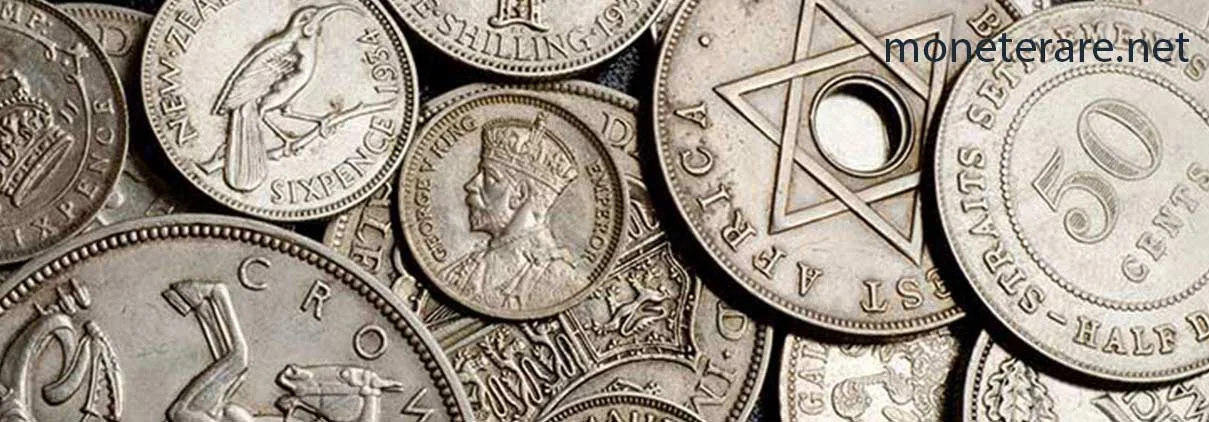
Numismatics is a term that we often hear, although we may not always fully understand its meaning. Before delving into the specifics and exploring the etymology and main aspects of this field, it is important to generally understand what it is about.
Introduction to Numismatics
Numismatics is what we might define as the scientific study of coins and their classification over time. Coins indeed present many very interesting aspects that can be studied, analyzed, and understood.
Beyond their aesthetic aspect, they also have a specific history related to the year of production, the place, as well as characteristics of a political, economic, historical, and artistic nature.
In short, behind the simple metal lies a true world with many different facets.
The task of Numismatics is precisely to “dig” into this world in order to fully understand and study coins.
Numismatic Meaning
The term Numismatics has ancient origins that can be traced back to ancient Greece.
The etymology of the term that has reached us derives from the Latin “numisma”, which in turn comes from the Greek “nomisma”, meaning “coin.”
Numismatic Meaning: As we have seen, Numismatics primarily focuses on the study of coins in all their facets. In reality, this field also encompasses different areas. For example, it includes the study of banknotes, means of payment that predate money, and objects closely related to coins such as medals, tokens, etc.
This science specifically analyzes different aspects of these objects, including metallurgy, appearance, year of production, etc.
In this regard, it is also worth mentioning that over the years, Numismatics has led to the emergence, so to speak, of a true “Numismatics of Finds”. This specialization focuses on the discoveries of coins and other similar objects within particular archaeological sites. This remains, to this day, the most active and innovative part of this discipline.
The activity of searching for ancient coins and rare coins is regulated by certain laws, which we discussed here, and which also pertain to those who search for coins with metal detectors.
Numismatist
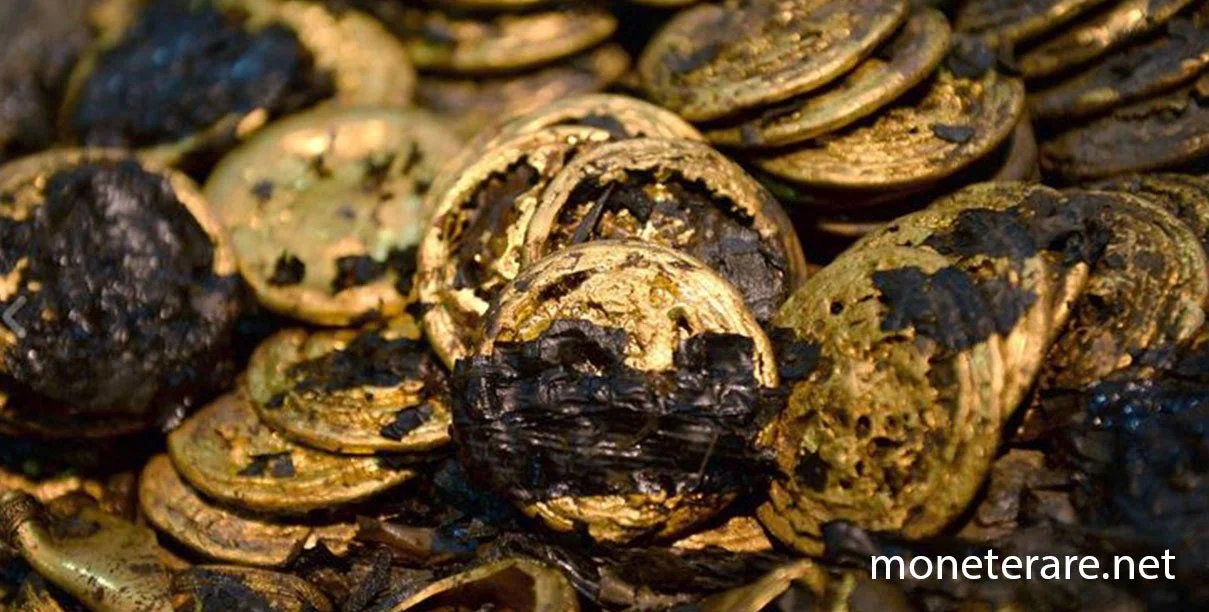
The Numismatist is defined as someone who is engaged in the research, cataloging, and general study of coins.
The area of expertise of a numismatist can be in museums where the study and dissemination of information regarding large public collections takes place, or in universities where Numismatics is taught as a subject.
The method by which these professionals conduct the study of coins is incredibly careful and precise, taking into account several fundamental factors.
The most important and recognized method is the analysis of dies.
Each coin is characterized by two defined dies: the obverse die (or hammer die) and the reverse die (known as the anvil die). These two dies, being different, wear out at completely different rates. This leads to a greater number of replacements for the hammer die.
Over the years, numerous combinations of dies have been observed, allowing for the tracing of historical origins not only of the individual coin.
The Numismatist also deals with the analysis of various coin styles. They also research, for example, the characteristics of metals, which help to understand the actual origin of each individual coin.
In summary, the task of this professional is not simple at all. It is characterized by numerous specific competencies in the field that allow them to have a comprehensive knowledge of the world of coins and beyond.
Italian Numismatics
The Italian Numismatic Society is a cultural association founded in 1982, in the post-unification climate, to promote the study of coins, tokens, seals, and medals.
Among the founding members at that time was also Vittorio Emanuele III, then Prince of Naples. He was a well-known numismatics enthusiast and served as honorary president of the association from 1897.
Currently, the Italian numismatic society is based in Milan and includes among its members some of the greatest experts and collectors of numismatics, including Serafino Ricci, one of the first university professors to teach this subject.
The focus of their studies is naturally on coins, with particular attention to Italian coins. Specifically, the coins of the Lira are among the most appreciated for the large number of ancient, rare, and unique pieces they encompass.
Numismatics of the Lira
The Numismatics of the Lira, as mentioned, includes the study of the Lira and the various coins that have been produced over the years.
Naturally, the study of the Lira occurs through various criteria that allow not only for an understanding of the main characteristics of each coin but also for estimating its value.
Each coin indeed has a different value that is primarily determined by its condition. The highest quality state is FDC (Fior di conio). There are many intermediate gradations such as Splendid, Beautiful, Very Nice, Nice, and Fair.
Additionally, clearly, each coin can present different values based on its rarity. Errors in minting are also highly sought after. These are specific coins that exhibit errors during production and are therefore incredibly rare.
Euro Numismatics
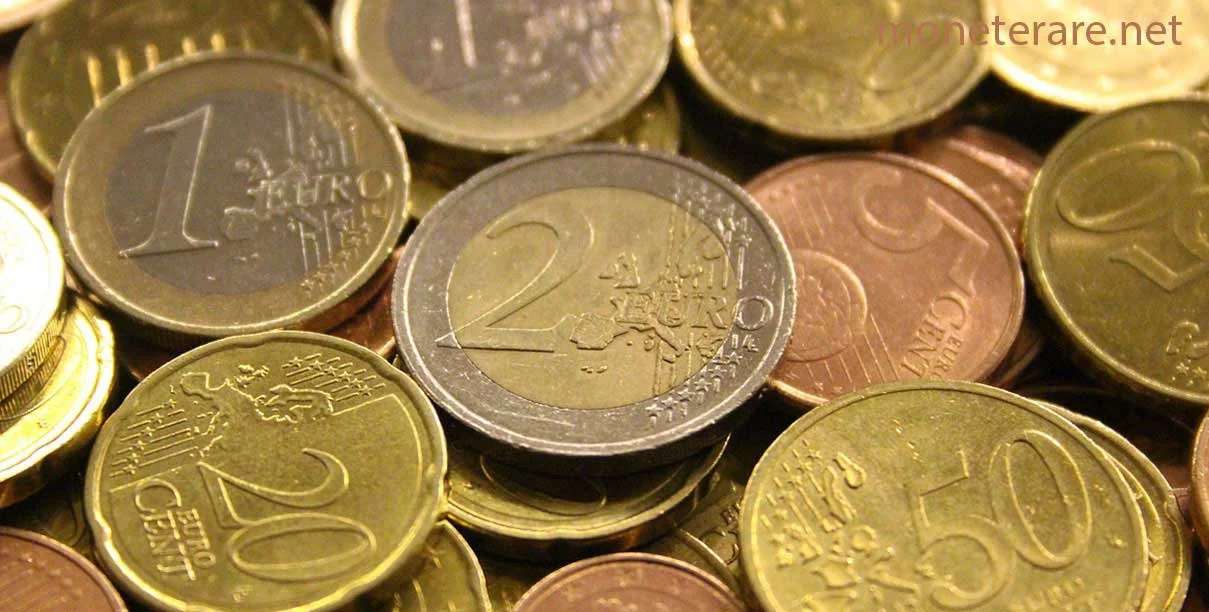
Euro Numismatics is the branch of this discipline that deals with the study of euro coins. Specifically, we are talking about a large number of coins for which there are many peculiarities and different characteristics to research.
With the introduction of the euro, numismatics enthusiasts have also been able to take advantage of introductory kits for the new currency to start their euro numismatic collection.
It is also important to note that in addition to the states of preservation and minting errors, particularly regarding the €2 coins, there are also the so-called commemorative editions.
These are special coins minted on the occasion of important events for a specific country.
Euro numismatics, that is, the research and study of euro coins, is also based on the characteristics of the individual piece. For example, materials, year of production, country of origin, and many other aspects will be taken into consideration.
Numismatic Auctions

Numismatic Auctions are special events where coins are indeed the focus. In particular, these events can be of two types, which naturally have different characteristics.
Online Auctions are events organized online within specialized websites that provide the platform. To participate, it is necessary to register within the allowed limits and wait for the auction start time. Also online, it is possible to make bids for various coins and try to win them.
A valid example of online numismatic auctions is Catawiki, where you can create lots of coins to sell or make bids to purchase, all with the support of industry experts.
Physical numismatic auctions, on the other hand, are much more characteristic events. In this case, we are talking about organized days dedicated specifically to this type of activity. On these days, it is possible to meet Numismatics experts, collectors, and enthusiasts from all over Italy or the world.
In this case as well, it is possible to make bids and try to win the various available coins.
At numismatic auctions, one can participate either as a buyer, following the methods seen previously, or as a seller. In the latter case, you can auction your own coins. This way, you sell to the highest bidder, effectively verifying the real value of such pieces.
If you want to sell your coins, we have addressed the topic on this page.
Numismatic Catalog
A numismatic catalog is an incredibly useful tool that every serious collector and enthusiast should have.
The number of coins in circulation, considering ancient (Greek, Roman, and Byzantine), medieval, and contemporary coins, is indeed incredibly high.
Even for the most precise, it can be difficult to remember the name and characteristics of each individual coin. Browsing through a numismatic catalog can instead be an excellent method to immediately identify the coin we are interested in.
Numismatic catalogs are indeed diversified based on the type of coin that one wants to analyze (Lire, Euro, etc.). They faithfully report a front and back image of the coin along with characteristics, year of production, curiosities, and value.
An incredibly useful tool that allows for speeding up activities that would otherwise be much longer and tedious.
You can find many numismatic catalogs on this page, and they are often on sale or with free shipping.
Numismatic Shop
As for numismatic shops, it should be noted that they represent an excellent “place” to purchase and evaluate different types of coins. These shops can be both physical (much rarer) and virtual, located on dedicated online sites focused on the subject.
A numismatic shop naturally includes a proper list of the various coins available. They also have detailed cards and catalogs like those seen earlier.
Thanks to these, one can carefully evaluate the characteristics of the coins and compare different models to get a much clearer idea.
Of course, in this case, it is possible not only to visit various shops as a buyer but also to offer your own coins. However, before doing so, it is advisable to ensure, by consulting cards and catalogs, that the coins you have actually have value.
Additionally, it is recommended for selling to always approach collectors who, in most cases, buy purely out of passion.
Didn't find what you were looking for?
- Check our Numismatic Glossary to discover the meanings of terms.
- If you have coins you want to sell, consult the page on coin auctions.
- Want to know which are the rarest lire coins? Check the page on rare lire.
- Discover which are the rarest euro coins here.
- We discussed the euro collection and all its aspects here.
- We have talked about the laws on numismatics in Italy here.
Frequently asked questions
What is numismatics?
Numismatics is the study and collection of coins, medals, and banknotes. It encompasses the history, mintages, preservation, and market value of numismatic pieces.
Where to sell or buy coins
Do you own coins like these, a lot, or a rare piece? Register on Catawiki and place your first bid, or submit a lot for sale — signing up is free. For years we have used this auction site, our partner. Browsing auctions is not enough: start with registration and a first action (a bid or a listing). Register and start.