
How to Clean Euro, Lire, Copper, and Silver Coins (without damaging them)
Updated:
Cleaning coins is a little-explored topic that needs to be well understood in order to preserve coins in the best way.
In this guide, we will clarify the cleaning of coins: what is truly advisable, what are the best practices, the safest techniques, and the recommended procedures depending on the type of coin and the metal.
Rule No. 1 (important): if you suspect that a coin is rare or valuable, do not clean it “to make it look new.” Cleaning can reduce its value (patina, micro-scratches, abrasions). When in doubt: only very light and conservative cleaning, or seek expert advice.
Did you find a box of old coins in the attic? Perhaps you have some old lire or rare lire or some other copper coins and you are wondering “How can I clean them to keep them in the best condition over time?“
Maybe some of you found some oxidized euros on the beach or on the ground and thought “Why not, I could clean them to use them!”
Before cleaning a coin: what to check (in 30 seconds)
- Is it rare or could it be? If you're unsure, avoid aggressive cleaning.
- What metal is it? Copper/silver/aluminum (Italma)/steel (Acmonital) react differently.
- What kind of dirt is it? Dirt/surface crust ≠ oxidation/deep corrosion.
- Goal: “make it readable” (conservative) is different from “make it shiny” (risky).
If you are working on specific old lire, you can also start from the guide to rare lire and value to understand which issues should be treated with utmost caution.
Cleaning Coins: The Types of Metal
When talking about how to clean coins, it is essential to make some distinctions.
The basic rule is this:
- Not all coins are made of the same metal. Different coins therefore have different cleaning needs.
The recent European coins, and thus also our much-collected rare euro coins, are made from alloys with various names, such as “Nordic Gold” or “Nickel Brass”.
The old rare lire of 1, 2, 5, and 10 lire are made from an alloy called “Italma” (the acronym stands for: Italian Aluminum Magnesium).
On the other hand, Acmonital, short for Italian Monetary Steel, is the alloy of iron, chromium, and nickel from which the 50 and 100 lire of the Italian Republic are made, as well as the outer part of the 500 bimetallic lire.
The inner part of the 500 lire coins, however, is made of an alloy called “Bronzital”, composed of copper, aluminum, and nickel, just like the outer part of the 1000 lire coins.
We will see later how to approach cleaning coins made of Italma, such as the 10 lire, and some tips on how to treat the others as well.
Cleaning Euro Coins
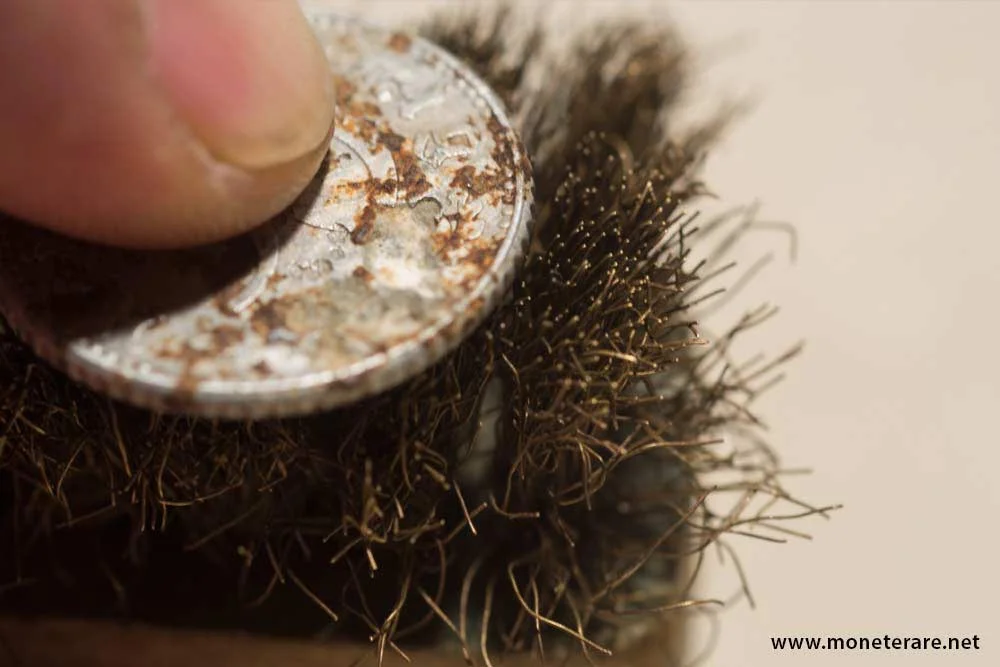
Cleaning coins is primarily a process that starts with observing the piece we have in hand. We need to understand what makes our coins in need of cleaning.
Often, if the coins have been found on the ground or underground, they are just crusted and can look new again with a firm brushing using an old toothbrush and a bit of water.
When, however, the organic acids from the soil have begun to corrode the metal, it may be useful to brush the coin with a toothbrush with brass bristles (like this one).
Taking care to make circular motions, brush the coin firmly to remove the crusting.
Then it may be helpful to leave the coin immersed in petroleum oil for a few hours, to “seal and isolate” the metal from the atmosphere as much as possible.
Finally, drying with a cloth or a sheet of absorbent paper completes the cleaning of the coin.
Attention: the process must be done carefully and gently, otherwise there is a risk of damaging the coin. If you have a sought-after or rare coin in your hands, think twice before performing such a procedure.
Cleaning 2 Euro Coins
It often happens to find 2 euro coins on the beach that, due to the effect of saltiness, show crusting and oxidations of varying intensity.
This type of oxidation cannot be cleaned with a simple toothbrush and a bit of water.
To clean 2 euro coins, such as commemorative 2 euro coins or even 1 euro coins, you can try immersing them in 12% muriatic acid, shaking them for a few minutes in a closed container.
Important note (safety and value): this is an aggressive procedure. Avoid it on coins you want to collect, and use it only if the goal is to recover very common and oxidized coins (e.g., for reuse), with maximum caution.
When you see that the coins start to lighten, remove them from the muriatic acid and stop the reaction with plenty of water and baking soda.
Once this is done, a firm brushing with our trusty brass brush should restore some of the past luster to the oxidized euro coins.
When there are many 2€ and 1 euro coins to clean and time is short, the best solution would be “tumbling.” This is nothing more than a mechanical-chemical cleaning process.
Here's how it works:
Insert abrasive sand, Viakal-type soap, and water into the Tumbler. The Tumbler, a kind of barrel, will rotate and clean the coins of crusting and oxidations.
These methods of cleaning oxidized euro coins can also be used to clean some coins from the old lira.
How to Clean Lire Coins
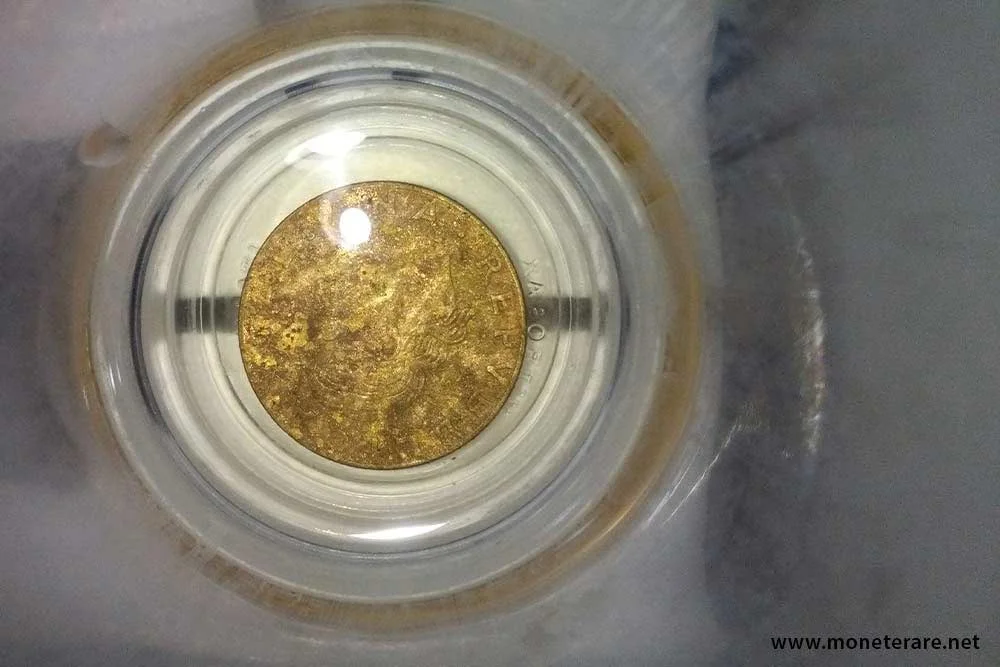
Some of the Lire coins of the Italian Republic, such as the 50 and 100 lire, being made of Acmonital, are very resistant to oxidation and are still found shiny and clean as they were then.
Others, like the 200 lire in Bronzital, if left on the ground for a long time, may show various degrees of oxidation and incrustation. To clean the 200 lire coins (like the one in the photo below), simply soak them for a short time in vinegar near a heat source to accelerate the reaction (like a radiator as well) and then brush them with a brass brush.
This largely depends on the type of soil and the proximity to the sea. An acidic or calcareous soil acts differently on each different material.
It is up to us, from time to time, to understand how best to act to remove the incrustations while managing (which is very important) to preserve the possible patina of the coin.
Generally, the Lire of the Italian Republic do not present significant cleaning difficulties. Often for the 200 lire, a bath in hydrogen peroxide or vinegar and a bit of brushing with a toothbrush is sufficient.
In cases of persistent incrustations, mechanical removal with a scalpel and microscope can help, or more simply a good brass brush.
How to Clean 10 Lire Coins
The 10 lire coins, just like the 1, 2, and 5 lire coins, are made, as already mentioned, from an alloy called Italma.
This particular alloy is composed of 96.2% aluminum, 3.5% magnesium, and 3% manganese.
If you want to understand which 10 lire emissions are more sought after, you can read the guide on rare 10 lire before proceeding with any cleaning.
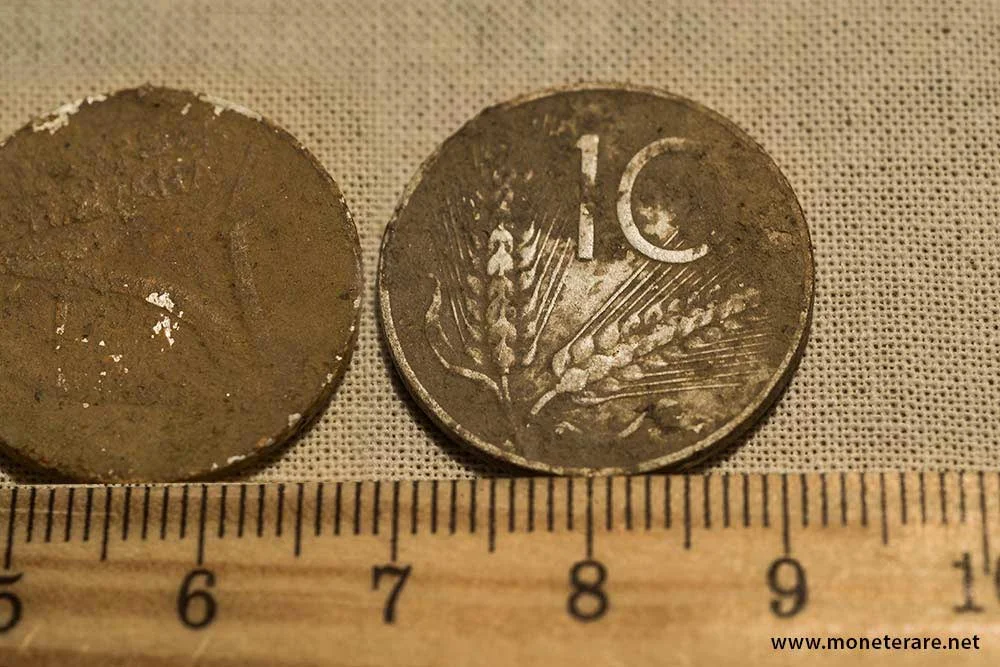
Aluminum, unfortunately, when in contact with the organic acids in the soil, often gets corroded to the point of making the coin irrecoverable.
In other more fortunate cases, it is possible to clean them with good results using a simple pass with the usual brass brush.
With circular movements and moderate pressure, one can generally bring the details and inscriptions back to light.
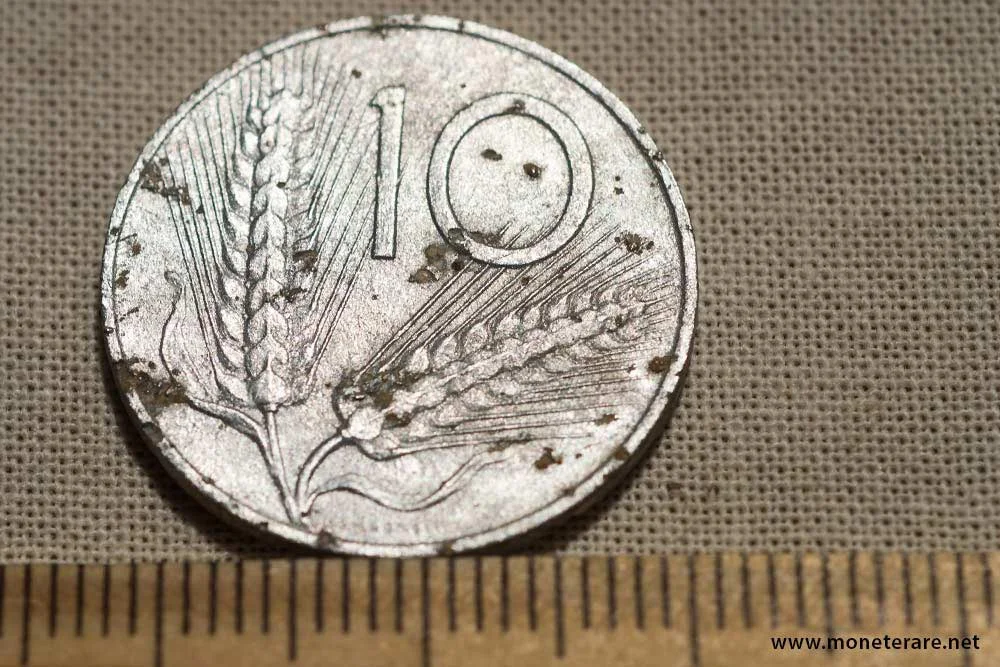
When the aluminum begins to be irreparably compromised, before cleaning aluminum coins it is advisable to soak them in vaseline oil (which softens the incrustations), and then proceed to brushing.
Finally, it may be useful, after cleaning, to sprinkle the coins with a coat of neutral wax, such as Renaissance wax, which creates a film between the metal and the atmosphere, slowing down and preventing further corrosion.
Cleaning Copper Coins
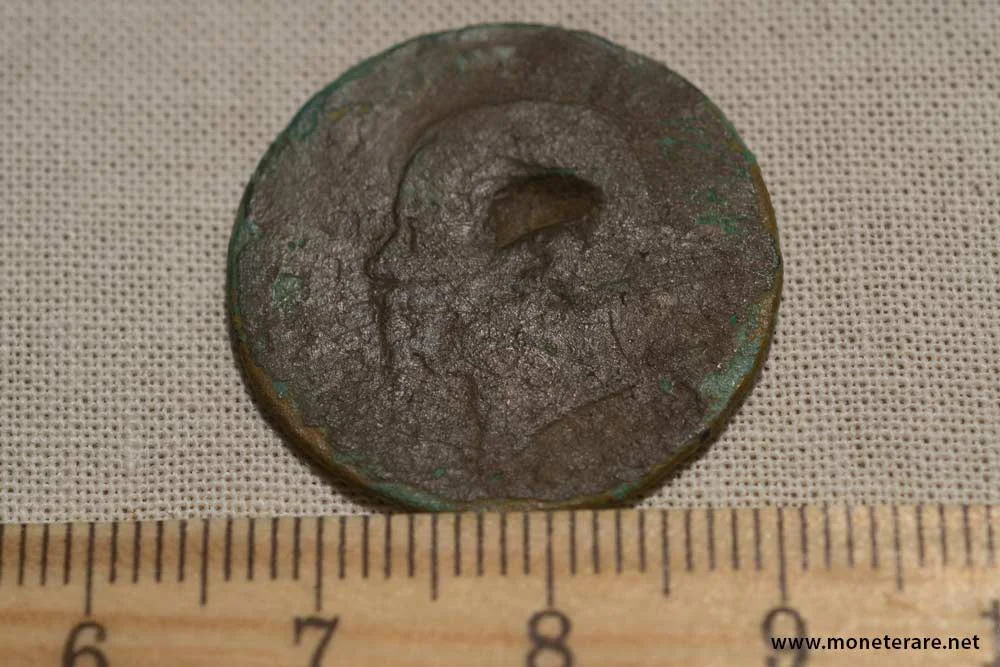
If the coin you need to clean is primarily made of copper, you should act with more care, depending on its condition.
Old cent coins from the Kingdom of Italy are often found, and when well-preserved, they exhibit a beautiful patina and green coloration, due to the high copper content.
If, however, these copper coins have been in contact with the soil, corrosion and oxidation of the copper have often deeply affected the coin, like the one in the image below.
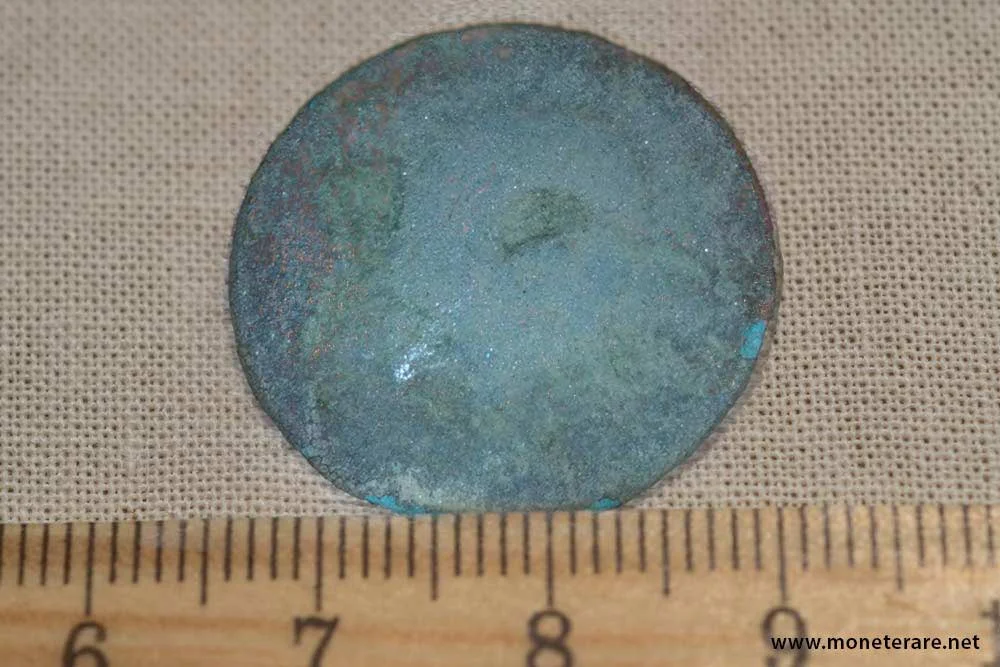
First of all, on these coins, it is advisable to give an initial cleaning with your fingers to remove any dirt residues and to gauge the consistency of any patina. If there are slight encrustations, a bit of soaking in distilled water and a gentle brushing might already make the copper coin clean and ready for a bit of wax.
If the acidic soil has already started to corrode the coin and the encrustations are harder, soak it for a few hours in petroleum oil to soften the encrustations and proceed to brush.
Tip: It may be useful to use a wooden toothpick to scrape off the more stubborn encrustations.
Often many coins that show a greenish oxidation that would suggest a copper coin are actually silver coins.
It was common to add a percentage of copper to silver, and by removing the greenish oxidized patina, silver often shines again.
By the way, let's also talk about how to clean silver coins.
Cleaning Silver Coins
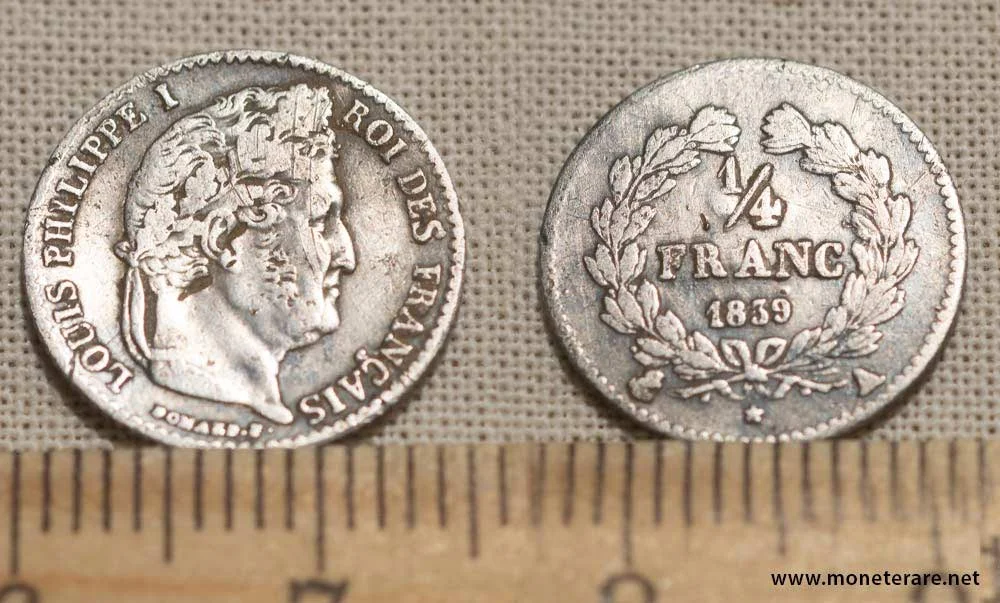
Silver coins, and silver in general, tend to be covered by a dark patina over time.
This is Silver Oxide (Ag2O), which appears as a black powder that covers the shine of silver.
For collectors and experts of ancient coins, the patina of each coin adds greater value. It is not always advisable to intervene to clean the coin of its patina, always remember that.
If you decide to do so, cleaning silver is not very complicated in itself.
There are many commercial products for cleaning silverware, as well as many home remedies.
For example, it is possible to clean silver coins with baking soda, a sheet of aluminum, and hot water.
The procedure for cleaning silver coins is simple:
Line the inside of a glass container with aluminum, pour in hot water, and dissolve the baking soda. At this point, immerse the silver object.
Thanks to the saline solution, a redox reaction occurs between the aluminum and the silver. The latter is reduced, losing the patina, while the aluminum is oxidized.
As mentioned above, however, we advise against radical cleaning on ancient coins to avoid the risk of losing their value and damaging them.
Cleaning Ancient Coins
If you have ancient coins dirty with dirt or other encrustations, depending on the material, a light rub between your fingers or a very gentle cleaning with a cotton swab and vaseline oil is often sufficient.
For silver coins, for example, simply rubbing them between your fingertips makes the coin readable again.
Copper coins are more delicate, and to highlight the details, it is often enough to moisten your fingertip with vaseline oil and gently rub it on both sides to bring out the reliefs.
Be careful with vaseline oil because, although sometimes necessary, it often changes the color of the patina.
If the coin is sturdy and not fragile, you can proceed with immersions in hydrogen peroxide (10 or 12 volumes) and brushing with a toothbrush to remove the encrusted dirt.
Once cleaned, rinse several times with distilled water, dry, and finally apply a bit of protective wax.
Cleaning Bronze Coins
Before discussing the cleaning of bronze coins, we recommend reading the page on this site dedicated to the various regulations and laws in force in Italy regarding coin collecting and the search for rare coins.
If you happen to come across a coin that you believe to be ancient, perhaps during an outing with a metal detector, the correct behavior is to promptly notify the authorities based on the exceptional nature of the find.
You must report the find to the Superintendency or the Mayor of the Municipality within 24 hours.
If, once found, the object is collected and removed from its context to preserve its integrity, it must then be handed over to the aforementioned authorities, who will assess the case.
Often, when the coin or object found is not of such rarity that it needs to be retained by the Superintendency for study or restoration, it is returned to the discoverer for safekeeping.
Bronze coins, if not corroded, do not require excessive cleaning. Sometimes even a simple rub between the fingers can be too much for a very fragile coin.
Cleaning Roman Coins
As mentioned above and as specified in the article on Regulations, if you possess a Roman coin with appropriate and regular documentation, it will surely have already been cleaned and cataloged.
If, on the other hand, you have accidentally found a Roman or ancient coin or another object of clear archaeological interest, it is recommended to send an email to the Superintendency, the Carabinieri, or the Mayor, within 24 hours of the discovery.
It must be accompanied by clear photographs of the object and include any useful information to define the context of the find location.
Therefore, it is absolutely not recommended to intervene with risky cleaning before reporting the find to the appropriate authorities.
If the reported object is not of such importance as to be retained, it will be returned to you.
We still advise against excessive cleaning: cleaning ancient coins is almost never a good idea. Remember that some coins are very fragile objects and for proper preservation, they must be handled as little as possible!
How to Clean Coins in Good Condition
Perhaps the coins in your collection are already in good condition and do not require elaborate cleaning operations (they do not have dirt or soil). Maybe you simply want to preserve them in the best way.
Here are our tips. If it is a well-maintained collection, just apply some wax to the rare coins and store them in their cases. If the coins have dust or other debris, then perhaps a clean with a cloth, before applying the wax, will certainly do them good and help your coins last for a long time.
Frequently asked questions
How to clean old 10 lire coins?
The 10 lire (Italma) are delicate: often a soft brush + water is enough, or a brass brush with moderate pressure. If they are heavily encrusted, first soak in petroleum jelly. Avoid aggressive products if you want to keep them for your collection.
How to clean silver coins without damaging them?
If you just want to make them more readable, conservative methods are better. The baking soda + aluminum + hot water method can remove patinas, but on ancient coins, the patina can be part of the collectible value.
How to clean copper coins with green patina?
The patina can be aesthetic and protective: first assess if it is worth removing it. Generally: distilled water and very light cleaning; if necessary, soak in petroleum jelly and gently remove encrustations (even with wooden toothpicks).
What NOT to use to clean collectible coins?
Avoid abrasives, polishing papers or creams, and strong acids on coins you want to preserve: you risk micro-scratches and loss of details. If you are unsure of the value, it is better not to intervene.
Where to Sell or Buy Coins
Do you own coins like these (or maybe lots or rare unique pieces)? Turn your passion into profit with online auctions! Have fun selling your treasures or find great deals to grow your collection. For years we have trusted this auction portal, our trusted partner – the world's largest coin auction site. Click here to register for free and browse the auctions: it's simple, exciting and more rewarding than you might imagine!